

For many years, middle-income and lower-income families have painstakingly saved their hard-earned money, yet they often face uncertainty about where to invest those savings safely. Due to complexities in existing laws and regulations, a portion of legitimately earned income sometimes remains undeclared, leaving significant amounts of capital idle because of the lack of secure investment opportunities. Encouragingly, a landmark opportunity has now emerged to bring this idle capital into the mainstream economy. The new scope for investing in the real estate sector—particularly in land—has the potential to stimulate economic activity while restoring confidence among limited-income earners in long-term investment.
The real estate sector is one of Bangladesh’s largest employment-generating industries, directly and indirectly providing jobs for nearly five million people. More than 200 industries, including construction materials, engineering, and related services, are closely linked to the housing sector. The construction industry contributes approximately 15–16 percent to the country’s Gross Domestic Product (GDP). In recent years, the real estate market experienced a temporary slowdown due to global economic challenges and high property registration costs. Industry stakeholders believe that this new initiative will help reverse that trend. By creating opportunities for idle capital to be invested in land, they expect the housing sector to regain momentum and contribute more significantly to economic growth.
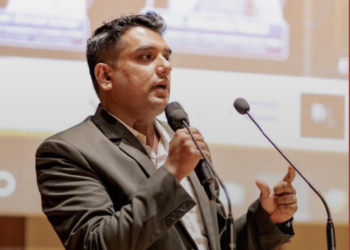
Economists and business leaders believe that allowing individuals to voluntarily invest undeclared funds in land or residential plots will play an important role in increasing liquidity within the economy. Mohammad Farhaduzzaman, Executive General Manager of Eastern Housing Limited, stated that creating opportunities for people to invest their earnings within the country is a timely and pragmatic initiative. According to him, channeling idle funds into land and housing will not only convert dormant capital into productive assets but will also accelerate new housing projects, infrastructure development, and urbanization. Without such secure domestic investment opportunities, there is always a risk that capital will flow overseas—a concern that this initiative can help address.
One of the most significant beneficiaries of this initiative will be the national economy. Bringing idle capital into the formal economic system is expected to substantially increase the buying and selling of land and residential plots. At present, the government earns substantial revenue from property registration. As land transactions increase, registration fees and tax collections are naturally expected to rise considerably. Additionally, the designated fees imposed under this initiative will generate further revenue for the national treasury. Consequently, the measure is expected to help ease the economy’s liquidity shortage while simultaneously strengthening government revenue collection.
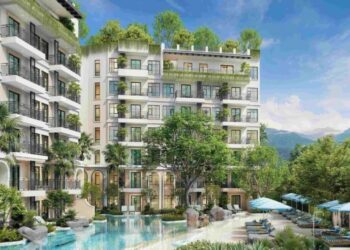
Dr. Md. Ali Afzal, President of the Real Estate and Housing Association of Bangladesh (REHAB), welcomed the initiative, emphasizing that housing is one of the fundamental needs of the people. He noted that the demand for quality housing continues to rise as urbanization accelerates across the country. Beyond Dhaka, new residential developments are expanding rapidly in divisional headquarters and district towns. He further observed that a significant portion of the country’s capital had previously been invested abroad. By discouraging overseas investment in foreign real estate and encouraging investment in Bangladesh’s domestic housing sector, the government’s initiative deserves strong appreciation. According to him, this policy will not only improve access to housing for ordinary citizens but will also strengthen the national economy.
This practical initiative to bring capital back into the formal economy is expected to reactivate funds that have remained outside the banking system. However, further reforms are necessary to ensure the long-term sustainability of the real estate and land market. In particular, reducing property registration costs to a more reasonable level would encourage greater transaction volumes. Likewise, introducing low-interest financing for first-time land or plot buyers could significantly boost the sector. Such measures would help establish the real estate industry as one of the strongest pillars of Bangladesh’s economic development.